


Table of Contents
MOTS-c - All you need to know
What is Mots-c Peptide?
MOTS-c (Mitochondrial Open Reading Frame of the 12S rRNA Type-c) is a naturally occurring mitochondrial-derived peptide (MDP) of 16 amino acids. MOTS-c was first identified in 2015 and is one of only a handful of peptides that are directly encoded by the mitochondrial genome (rather than the nuclear genome) and are biologically active.
Commonly known as the “powerhouses” of the cell, mitochondria produce the majority of the cell’s energy in the form of adenosine triphosphate (ATP). Mitochondria are also important for metabolism, cellular signalling, oxidative stress and healthy ageing, as well as energy production.
Unlike many peptides that act locally in a given tissue, MOTS-c appears to act as a systemic metabolic signalling molecule, allowing cells to sense metabolic stress and fluctuations in energy availability. Research has demonstrated that in certain situations, including exercise, fasting, or other metabolic challenges, MOTS-c can translocate from the mitochondria to the nucleus, where it modulates the expression of many genes associated with cellular metabolism and stress responses.
Since its discovery, MOTS-c has become an important area of investigation in metabolic medicine, exercise physiology and longevity research. Its possible role has been investigated in experimental studies concerning:
- Metabolism of glucose
- Insulin sensitivity
- Mitochondrial functions
- Exercise adaptation.
- Metabolism in skeletal muscle
- Fats metabolism
- Cell stress responses
- Inflammation
- Active ageing
- Age-related metabolic disease
A particularly interesting finding is that MOTS-c levels in circulation appear to decrease with age, leading researchers to explore whether reduced mitochondrial peptide signalling contributes to age-related metabolic dysfunction and a decline in physical performance. This association is well documented, but it remains to be proven that restoring levels of MOTS-c reverses ageing or prevents age-related disease.
MOTS-c is released from mitochondria, not from classic hormones from organs such as the pancreas or adrenal glands, and may communicate between cellular energy production and the nucleus. Such a unique role has led researchers to call it a mitochondrial messenger peptide, able to orchestrate the cellular response to metabolic stress.
MOTS-c has been shown to activate multiple pathways related to the maintenance of metabolic homeostasis. One of the best-studied is AMP-activated protein kinase (AMPK), often referred to as the body’s “metabolic master switch.” AMPK helps control energy balance. When metabolic energy is needed, AMPK helps cells take up glucose, burn fatty acids for fuel, and produce energy more efficiently.
These mechanisms have made MOTS-c an interesting target for possible therapeutic intervention in diseases associated with metabolic dysfunction, such as obesity, insulin resistance and type 2 diabetes. Much of the evidence is based on laboratory and animal studies; human clinical evidence remains limited.
Researchers have also looked into whether MOTS-c might mimic some of the beneficial molecular effects of exercise. Experimental studies indicate that it may ameliorate metabolic flexibility, skeletal muscle adaptation and exercise capacity under certain conditions. These findings have at times led to MOTS-c being called an exercise-mimetic peptide, but this label should be taken with a pinch of salt as the physiological effects of regular physical activity are far more diverse than any one peptide.
The areas of scientific investigation at present are:
- Mitochondrial functions
- Insulin sensitivity
- Metabolism in skeletal muscle
- Fat Burning
- Exercise physiology
- Active ageing
- Heart Health
- Inflammation
- Neuroprotection
- Bone turnover
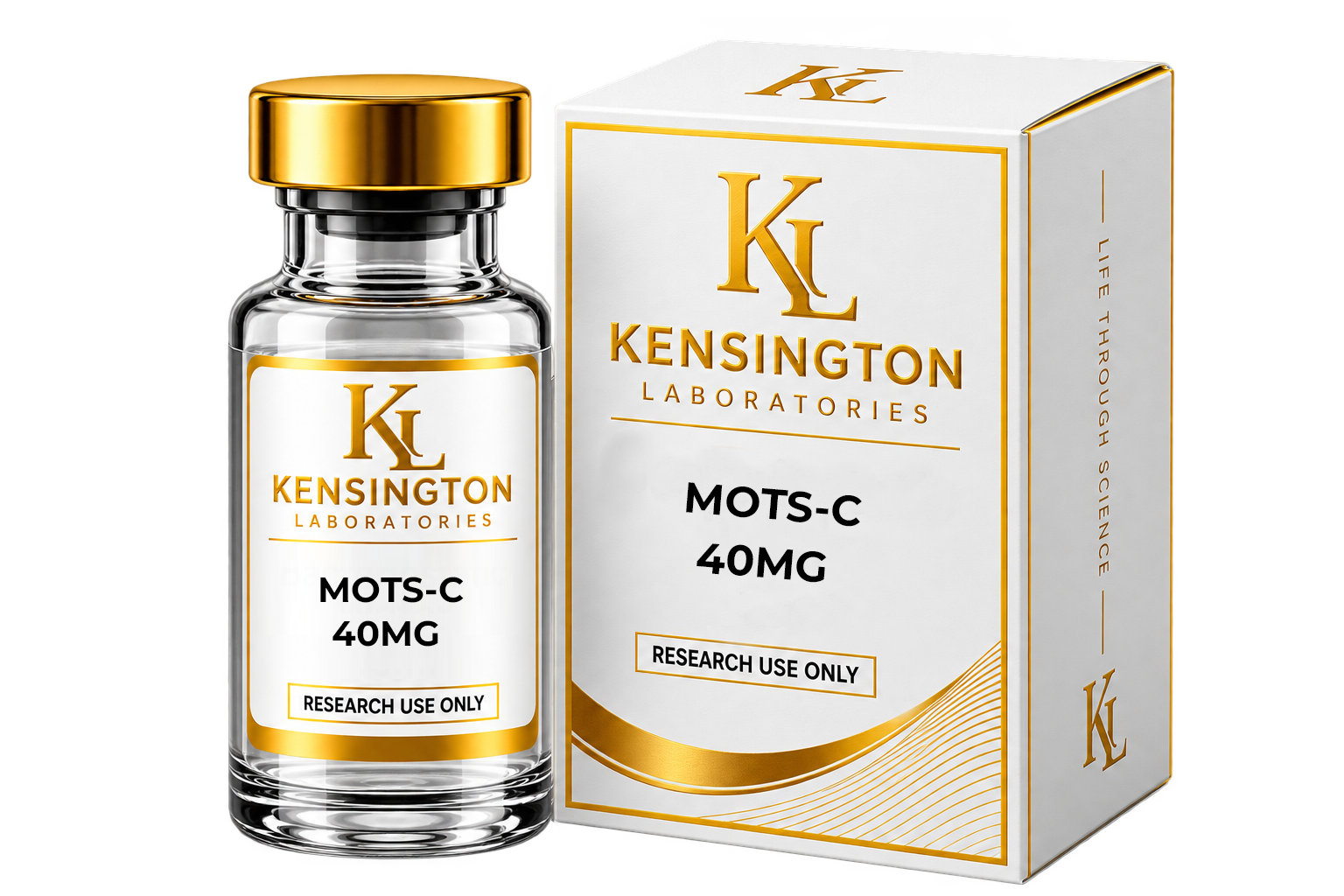
This product is supplied strictly for laboratory research purposes only and is not for human consumption.
MOTS c Dosage
In research protocols, MOTS-c is administered at 200 mcg-1 mg daily via subcutaneous injection. Reconstitute your vial with bacteriostatic water; for this peptide, 3 ml is an advised guideline amount. Most protocols titrate slowly over a 10-week period. This information is for research and educational purposes only.
- Reconstitute: 3.0 mL bacteriostatic water added
- Typical daily range: 200-1000 mcg once daily (titrated up over 10 weeks).
- Storage: Lyophilised: freeze at -20°C (-4°F) or colder. After reconstitution, refrigerate at 2-8°C and use within 7 days for best results before the peptide could potentially degrade.
MOTS-c is a 16–amino-acid mitochondrial-derived peptide (MDP) that functions as a metabolicregulator, primarily through AMPK activationn . In preclinical studies it improves insulin sensitivity and fat oxidation, increases exercise capacity and counteracts age-related metabolic decline. There are as yet no completed clinical trials in humans. This educational protocol describes a stepwise subcutaneous once-daily titration regimen.
Frequency: Administer subcutaneously once daily. Stay at each dose level for about 2 weeks before increasing and watch for any adverse reactions
Dosage Chart
| Tier | Dosage | Frequency | Notes |
|---|---|---|---|
| Weeks 1-2 | 200mcg | Once Daily | |
| Weeks 3-4 | 400mcg | Once Daily | |
| Weeks 5-6 | 600mcg | Once Daily | |
| Weeks 7-8 | 800mcg | Once Daily | |
| Weeks 9-10+ | 1mg | Once Daily |
Mots-c Benefits
MOTS-c is one of the most studied mitochondrial-derived peptides (MDPs) and has received a lot of attention for its potential role in the regulation of metabolism, exercise adaptation and healthy ageing.
MOTS-c, unlike many peptides that target a single receptor, appears to be a metabolic signalling peptide that allows cells to adapt to energetic stress by modulating pathways involved in glucose metabolism, mitochondrial function and cellular homeostasis.
The evidence is promising, but most published results are from laboratory studies and animal models. There are no human intervention studies, and these findings should be viewed as possible research findings, not proven clinical benefits.
The areas of scientific investigation at present are:
- Metabolism of glucose
- Insulin sensitivity
- Mitochondrial functions
- Exercise physiology
- Fat Burning
- Active ageing
- Metabolism in skeletal muscle
- Bone health.
- Inflammatory signalling
- Adaptation to stress in cells
Metabolic Wellness
One of the strongest areas of MOTS-c is metabolic regulation.
Experimental data suggest that MOTS-c could allow cells to adapt more efficiently to changes in energy availability by modulating pathways involved in:
- Glucose uptake
- Fats metabolism
- Cellular energy production
- Metabolic flexibility
- Energy homeostasis
Studiesindicatew that much of this effect is mediated through the activation of AMP-activated protein kinase (AMPK), often referred to as the body’s metabolic master switch. AMPK regulates how cells make and use energy during exercise, fasting and other types of metabolic stress.
Insulin Sensitivity
Insulin resistance is a key characteristic of obesity and type 2 diabetes.
MOTS-c has been shown in animal models to improve insulin sensitivity and glucose handling by promoting glucose uptake into skeletal muscle and reducing metabolic dysfunction associated with high-fat diets.
These findings have turned MOTS-c into a key research target in the area of metabolic disease.
However, there is not enough completed human clinical evidence at this time to conclude that exogenous MOTS-c improves insulin sensitivity in humans.
Function of Mitochondria
Mitochondria produce the majority of ATP that cells use in normal biological processes.
Studies show that MOTS-c may aid in:
- Mitochondrial efficiency
- Cellular energy production
- Production of ATP
- Mitochondrial stress response
- Communication between the nucleus and mitochondria
Unlike conventional hormones, MOTS-c appears to be a messenger between mitochondrial activity and nuclear gene expression during periods of metabolic stress.
Training Adaptation
The relationship between MOTS-c research and exercise is perhaps the most publicised aspect.
In experimental studies, researchers have reported improvements in:
- Capacity for exercise
- Stamina
- Muscle metabolism
- Physical performance
- Recovery from metabolic stress
MOTS-c is sometimes referred to as an exercise mimetic peptide because it activates some of the same molecular pathways that are activated during exercise.
However, one should take this description with some caution.
The present evidence suggests that MOTS-c might effect certain metabolic pathways related to exercise, but does not reproduce the wide-ranging physiological benefits of regular physical activity, and exercise remains an irreplaceable lifestyle for cardiovascular fitness, musculoskeletal health and overall wellbeing.
Fat Metabolism
Research has investigated whether MOTS-c impacts the body’s use of fat as a source of energy.
Animal studies suggest possible effects:
- Increased fatty acid oxidation
- Enhanced metabolic adaptability
- Less fat accumulation
- More efficient use of energy
These findings have generated interest in MOTS-c within the framework of obesity research.
These observations need to be translated into evidence-based clinical applications, and this will require further studies in humans.
Healthy Ageing
One of the most interesting things that has been learned about MOTS-c is that circulating levels decline with age.
Mitochondrial peptide signalling reduction has been suggested to contribute to:
- Loss of metabolic flexibility
- Reduced physical function
- Mitochondrial dysfunction
- Age-related metabolic disease
Animal studies show that administration of MOTS-c may improve several markers associated with healthy ageing, but these findings are still investigational and should not be construed as evidence that MOTS-c slows or reverses human ageing.
Function of Skeletal Muscle
One of the main tissues studied in MOTS-c research is skeletal muscle.
Experimental data indicate that MOTS-c may affect:
- Muscle glucose uptake
- Mitochondrial function
- Exercise adaptation.
- Muscle stamina
- Cell stress resistance
Since skeletal muscle is a major determinant of whole-body metabolism, these results may help to explain many of the metabolic effects observed for the peptide.
Bone Health
Emerging research has investigated MOTS-c in bone biology.
Experiments have indicated that the peptide can affect:
- Bone remodelling
- Osteoblasts activity
- Osteoclast control
- Bone mineral density
The majority of the evidence is from animal studies at present, and further human studies are needed to determine any clinical significance.
Anti-Inflammatory Activity
Metabolic dysfunction is frequently associated with chronic low-grade inflammation.
Research indicates that MOTS-c may affect inflammatory signalling pathways involved in:
- Cytokine release
- Oxidative stress (
- Immune cell stimulation
- Cell stress responses
MOTS-c does not appear to act as a classical anti-inflammatory drug but rather seems to regulate the cellular response to metabolic stress.
These mechanisms are under further investigation.
Cellular Stress Resilience
Cells are constantly adapting to fluctuating energy demands.
MOTS-c seems to be released in response to metabolic stress, such as exercise and nutrient deprivation, and then translocates to the nucleus to regulate genes involved in cellular adaptation.
Researchers think this may help cells:
- Keep energy balance
- Enhance metabolic resilience
- Adaptation to oxidative stress
- Maintain mitochondrial function
- Help to maintain cellular homeostasis
This unique mechanism of stress response is a distinguishing feature of MOTS-c compared to many other investigational peptides.
Summary of Research Overall
Current evidence suggests that MOTS-c may play a role in numerous biological processes related to metabolism and mitochondrial function, including:
- Metabolism of glucose
- Insulin sensitivity
- Fat Burning
- Mitochondrial signalling pathways
- Exercise adaptation.
- Metabolism in skeletal muscle
- Active ageing
- Bone turnover
- Inflammation control
- Cell stress responses
Such findings have caught the considerable interest of scientists, but laboratory and animal studies are the best evidence so far. There are still few human intervention studies, and more clinical trials are needed to determine the optimal dosing, long-term safety and evidence-based therapeutic applications.
What does MOTS c do?
Unlike many peptides that act through a single receptor or hormone pathway, MOTS-c is a mitochondrial signalling peptide that helps cells adapt to changes in energy demand. Rather than directly stimulating fat loss or muscle growth, MOTS-c appears to regulate how cells produce, store and use energy, by affecting a number of key metabolic pathways.
A particularly distinctive feature is that it is made by the mitochondria, the energy factories in virtually every cell of the body. MOTS-c is known to function as a messenger between the mitochondria and the nucleus during metabolic stress, such as exercise, fasting or calorie restriction, helping cells adjust to fluctuating energy needs.
There are a few biological mechanisms that might account for the peptide’s observed effects, but research is ongoing.
Mitochondrial Signalling
Most hormones are secreted by specialised organs and travel through the blood to act on distant tissues.
MOTS-c is another thing.
It is one of a small family of molecules called mitochondrial-derived peptides (MDPs) that are directly encoded by mitochondrial DNA (mtDNA) rather than nuclear DNA.
Mitochondria release MOTS-c in response to metabolic stress, acting as a signalling pathway to maintain energy homeostasis.
Researchers think that this allows mitochondria to communicate with the rest of the cell, coordinating metabolic adjustments that enhance survival when energy demand increases.
Nuclear Translocation
One of the most interesting findings about MOTS-c is that it can travel within the cell.
Under normal conditions, MOTS-c is mainly localised in the mitochondria.
During metabolic stress, including
- Exercise
- Fast
- Caloric restriction
- Oxidative stress (
MOTS-c can enter the cell nucleus.
There, it interacts with transcription factors that control the activity of many genes involved in metabolism, cellular protection and energy production.
This process is called nuclear translocation and allows mitochondria to directly impact cell responses to changing environmental conditions.
While many peptides activate a receptor on the cell surface, MOTS-c appears to be affecting cellular function at the level of gene regulation.
Activation of AMPK
One of the best-characterised actions of MOTS-c is activation of AMP-activated protein kinase (AMPK).
AMPK is the body’s master energy sensor.
When cellular energy levels begin to drop, AMPK helps to restore balance by changing metabolism to make energy and by reducing wasteful energy use.
Activation of AMPK has been linked to:
- More glucose uptake
- Increased fatty acid oxidation
- Decreased lipid synthesis
- Better mitochondrial efficiency
- Enhanced insulin sensitivity
As exercise is a natural stimulant of AMPK, researchers have examined whether MOTS-c might be involved in similar adaptive metabolic responses.
That is one reason for the sometimes-used name ‘exercise-mimetic peptide’ for MOTS-c, although exercise itself has much broader physiological benefits.
Increased Glucose Uptake
Skeletal muscle is responsible for disposal of most of the glucose after a meal.
Research has indicated that MOTS-c may improve the ability of muscle cells to take in glucose from the blood.
Experiments show that this effect is caused by increased movement of GLUT4 transporters to the cell membrane.
GLUT4 is the main route by which glucose enters muscle cells.
Increased GLUT4 activity may allow glucose to be better utilised in ATP production rather than remaining in circulation.
The mechanism has been of considerable interest in MOTS-c as a potential target in metabolic disease research.
Increased Insulin Sensitivity
Insulin tells cells to take glucose out of the blood.
When cells are less responsive to insulin, they do not respond as well, which causes high blood glucose levels and metabolic dysfunction.
Animal studies indicate that MOTS-c might improve insulin sensitivity by boosting cellular energy metabolism and increasing glucose utilisation in skeletal muscle.
Researchers believe these improvements may come from:
- Activation of AMPK
- Increased GLUT4 activity
- Increased mitochondrial efficiency
- Lower metabolic stress
More research is required as Intervention studies in humans are still scarce and these findings are to be translated into clinical practice.
Fat-burning
Energy can be produced from carbohydrates or stored fat.
MOTS-c seems to affect the body’s ability to switch between fuel sources as needed to meet metabolic demand.
Studies in animals show increased activation of pathways involved in:
- Fatty acid oxidation
- Lipid use
- Energy generation
- Metabolic flexibility
MOTS-c appears to improve cells’ use of available energy, rather than “burning fat” directly.
This is an important distinction because increased fat oxidation doesn’t automatically translate to weight loss, which is still determined by the overall energy balance.
Metabolic Adaptability
To have a healthy metabolism, you need to be able to switch back and forth between carbohydrates and fats as fuel.
This is known as metabolic flexibility.
People with obesity and insulin resistance often have reduced metabolic flexibility. This condition means that the body has more trouble adapting to fluctuations in energy demands.
Research suggests that MOTS-c may augment this adaptive response by assisting cells in selecting the most appropriate fuel source based on the availability of nutrients and physical activity.
Training Adaptation
One of the most exciting areas of MOTS-c research is exercise physiology.
Research has found that levels of naturally occurring MOTS-c increase during exercise.
Scientists think this increase is a natural reaction to exercise.
Animal studies have shown improvements in:
- Ausdauer-Training
- Capacity to run
- Muscle metabolism
- Physical performance
- Metabolic stress recovery
These findings indicate MOTS-c might help coordinate many of the molecular adaptations that occur in response to regular physical activity.
But no peptide has been found that can replicate the full benefits of physical training for the cardiovascular, musculoskeletal and neurological systems.
Cellular Stress Resilience
Every cell is always reacting to changes in its surroundings.
These are:
- Exercise
- Nutrient deficiency
- Oxidative stress (
- Inflammation
- Changes in temperature
MOTS-c seems to function as a cellular stress-response peptide.
Targeting genes that are involved in the stress response could enhance a cell’s ability to withstand temporary metabolic stress without losing normal function, according to scientists.
This may lead to healthier mitochondrial activity and increased resilience under stressful physiological conditions.
Function of Mitochondria
The mitochondria produce most of the ATP that is needed for normal cell function.
Studies indicate that MOTS-c maintains mitochondrial health by supporting:
- Energy generation
- Oxidative (phosphorylation)
- Production of ATP
- Cellular respiration
- Crosstalk Mitochondrial
Mitochondrial function is essential for tissues with high energy requirements, including:
- Muscle, skeletal
- Heart
- Brain–
- Liver
Thus, efficient mitochondrial signalling may have far-reaching effects throughout the body.
Healthy Ageing
The levels of circulating MOTS-c naturally decline with ageing.
A reduction in mitochondrial signalling is believed to contribute to several age-related changes, including:
- Reduced exercise tolerance
- Reduced metabolic flexibility
- Increased insulin resistance
- Mitochondrial efficiency reduced
Animal studies suggest restoration of MOTS-c signalling may improve several markers of healthy ageing.
But there is no evidence that MOTS-c can slow or reverse ageing in humans at the moment, and more clinical trials are required.
Summary Process
Recent data indicate that MOTS-c is a master regulator of cellular metabolism, mediating communication between mitochondria and the nucleus under metabolic stress.
Its putative biological actions are
- Mitochondrial signalling pathways
- Regulation of nuclear genes
- Activation of AMPK
- Increased glucose uptake
- Increased insulin sensitivity
- Enhanced fat oxidation
- More metabolic flexibility.
- Exercise adaptation.
- Cell stress resistance
- Support mitochondrial function
Unlike traditional hormones, MOTS-c seems to act as a cellular metabolic messenger, reducing the need for tissues to respond more efficiently to changes in energy demand instead of directly stimulating a single biological effect.
MOTS-c Side Effects
Although MOTS-c is a naturally occurring peptide produced within the mitochondria of humans, the safety of exogenously administered MOTS-c has not yet been established by large-scale human clinical trials.
Most published research has used laboratory models and animal studies, with relatively few completed human intervention studies investigating systemic administration. The long-term safety profile therefore remains unclear.
Thus, investigators should be aware of the biology of endogenous MOTS-c and the risks associated with administering an investigational peptide.
Reactions at Injection Site
Local reactions may occur when MOTS-c is administered by injection in research settings.
Possible reactions are:
- Pain or tenderness
- Redness.
- Mild oedema.
- Bruises
- Itchiness, temporary
- Local irritation
These reactions are common to many injectable peptides and are often a result of injection technique, needle size and product quality rather than the peptide itself.
Risk of infection
If sterile technique is not followed, any compound that is injected has the potential to cause an infection.
The possible causes are:
- Inadequate aseptic technique
- Contamination of diluent
- Equipment that is not sterile
- Inappropriate storage after reconstitution
- Products without validated sterility testing
Infection can cause symptoms such as:
- More red.
- Inflammation
- Injection site warmth
- Pus Production
- Fever
- Growing pains
Stringent laboratory handling procedures are required to minimise contamination.
Allergic or Hypersensitivity Reactions
Any peptide can cause allergic reactions, but these are rare.
Possible symptoms include:
- Rash on skin
- itchy
- Hives
- Inflammation
- Trouble breathing
- Generalised hypersensitivity reactions
Researchers should also consider reactions to:
- Contamination in production
- Residual solvents
- Additives
- Reconstitution of diluents
Instead of the peptide per se.
Long-Term Safety Unknown
“One of the most significant drawbacks of current MOTS-c research is the lack of long-term human safety data.
Remaining questions are
- Exposure over months or years.
- Metabolic effects long-term
- Cardiovascular Safety 1.
- Reproductive safety
- Interactions with medicines
- Reactions of immune system
- Long-term alterations in gene expression
But the risks are unknown until more clinical studies are completed.
Metabolic responses altered
Since MOTS-c affects pathways involved in glucose metabolism and energy regulation, researchers should be aware that theoretically, manipulation of these pathways can influence:
- Control of blood sugar
- Insulin sensitivity
- Energy consumption
- Fats metabolism
- Exercise adaptation.
These effects are often studied as potential mechanisms of therapy, but they also point to the importance of careful monitoring during the course of research.
The majority of evidenccomes fromfar is in controlled laboratory settings, not from routine human use.
Performance in Exercise
Animal studies have suggested that MOTS-c may influence exercise capacity and endurance.
Physical performance investigators should acknowledge that change in:
- Training volume
- Diet
- Getting better
- Sleep.
- Water
may all influence exercise outcomes independent of the peptide.
Any observed improvement should therefore be interpreted within the context of a well-controlled study design.
Gene Control
MOTS-c regulates cellular signalling by modulating the activity of several genes involved in metabolism and stress adaptation.
These genomic effects may contribute to its biological activity but also illustrate why ongoing safety research is important.
The long term consequences of persistent changes in gene expression have not been fully characterised.
Quality of the product
Safety is, as with all investigational peptides, highly dependent on the quality of the manufacturing process.
Risks when using low-quality products:
- Wrong peptide identity
- Low-Purity
- Contamination in production
- Degradation of peptides
- Bacterial contamination
- Endotoxines
- Wrong peptide concentration
- Not complete lyophilisation
Researchers should prioritise products that have been:
- Third-party independent laboratory testing
- Batch-Specific Certificates of Analysis (COAs)
- Purity Analysis HPLC
- Mass spectrometric identification
These measures enhance transparency but do not substitute for regulatory approval nor demonstrate clinical safety.
Drug Interactions
There is very little research on how MOTS-c interacts with prescription drugs or other investigational peptides.
Potential interactions are not well understood.
Researchers should thoroughly document co-exposure to:
- GLP-1 receptor agonists
- Insulin.
- Metformin
- Growth hormone secretagogues
- Other metabolic peptides
- drugs for diabetics
- Anti-inflammatory drugs
This information is useful for the interpretation of research findings.
Pregnancy & Breastfeeding
There is insufficient human data to evaluate the safety of MOTS-c during pregnancy or breastfeeding.
Its effects on:
- Foetal development
- Infant exposure
- Sexual and reproductive health
unknown.
The populations have not been studied enough.
Doping Considerations
Athletes competing under anti-doping regulations should use any research peptide with caution.
Investigational products may even include a specific peptide that is not expressly banned, including:
- Ingredients not declared
- Contaminants in production
- Trace levels of banned substances
Athletes should always verify the latest World Anti-Doping Agency (WADA) Prohibited List before using any peptide product.
Present Safety Evidence
MOTS-c has shown a favourable safety profile in preclinical studies compared to several other investigational peptides, with no consistent signals of major safety concern in animal studies.
But that should not be taken as proof of human safety.
The need for large, well controlled clinical trials remains to establish:
- Safety in the long run
- Ideal dosing
- Systemic tolerance
- Interactions with medicines
- Reproductive safety
- Cardiovascular system effects
- Therapeutic uses, evidence-based
MOTS-c Lifestyle Factors
Lifestyle is a major determinant of metabolic health, mitochondrial function and physical performance. Since the main interest of MOTS-c research is its putative impact on energy metabolism, insulin sensitivity and exercise adaptation, researchers should be attentive to the control of lifestyle variables that may independently influence these outcomes.
Diet, exercise, sleep and body composition can have profound effects on mitochondrial biology and may have substantial effects on research findings independent of MOTS-c exposure.
Regular Physical Activity
And exercise is one of nature’s most potent stimulators of mitochondrial function.
Studies have shown that levels of endogenous MOTS-c are naturally increased with physical activity, suggesting that the peptide is part of the body’s normal response to exercise.
Regular physical activity contributes to:
- Mitochondrial well-being
- Insulin sensitivity
- Glucose control
- Cardio fitness –
- Muscle function Muscular function
- Metabolic flexibility
Researchers studying MOTS-c should disclose:
- Frequency of exercise
- Training volume
- Resistance exercise volume
- Cardiovascular activity
- Rest periods
Exercise itself activates many of the metabolic pathways being investigated, so variations in training volume can have a significant influence on study findings.
Diet
Diet influences cellular metabolism to a considerable extent.
Researchers should be aware of:
- Total calories consumed
- Protein eating
- Dietary carbohydrates
- Fat consumption
- Timing of Meals
- Micronutrient status:
Poor dietary habits may impair mitochondrial function in the absence of peptide intervention.
A well-rounded diet consisting of whole foods helps support:
- Energy generation
- Muscle recuperation
- Mitochondrial well-being
- Control of blood sugar
- Cell regeneration
Body Composition – Healthy
Excess body fat (especially visceral fat) is associated with:
- Decreased insulin sensitivity
- Chronic Inflamation
- Mitochondrial dysfunction
- Reduced metabolic flexibility
Adequate nutrition and regular physical activity maintain a healthy body composition and may improve metabolic health independently of MOTS-c.
Researchers should consider baseline body composition when interpreting metabolic outcomes.
Sleep.
Sleep plays a critical role in regulating metabolism.
Poor sleep has been linked to:
- Decreased insulin sensitivity
- Higher appetite
- Impaired glucose tolerance
- Hormonal imbalance
- Decreased exercise recovery
- Mitochondrial distress.
Consistent, high-quality sleep supports healthy energy metabolism and is an essential component of any metabolic research programme.
Dealing with Stress
Long-term psychological stress can have a serious impact on your metabolism.
Continued high levels of cortisol can lead to:
- Elevated blood sugar
- Decreased insulin sensitivity
- Heightened inflammation
- Bad recovery
- Exercise capacity, decreased
“Researchers need to be aware that many of the biological pathways currently being investigated in MOTS-c research may be affected by chronic stress.
Metabolic Wellness
Underlying metabolic conditions may affect the results of studies.
Some examples are:
- Obesity.
- Prediabetes
- Diabetes type 2
- Syndrome métabolique
- Non-alcoholic fatty liver disease (NAFLD)
- Heart disease
As MOTS-c is being investigated primarily in the area of metabolic medicine, it is particularly important to note any pre-existing health conditions.
Water
Adequate hydration supports normal physiological function by aiding:
- Metabolism of cells
- blood flow
- Nutrient supply
- Thermal regulation
- Exercise capacity
Even mild dehydration can impair physical performance and markers of endurance and metabolism.
Therefore, researchers should ensure they are sufficiently hydrated during metabolic studies.
Tobacco smoking
Smoking has detrimental effects on several biological systems relevant for mitochondrial health.
Research has shown smoking can cause:
- Further oxidative stress
- Mitochondrial efficiency reduced
- Chronic Inflamation
- Reduced cardiovascular functions.
- Reduced exercise tolerance
Smoking status should be considered when assessing metabolic outcomes.
Alcohol intake
Drinking heavily can impair:
- Mitochondrial functions
- Metabolism in the liver
- Control of blood sugar
- quality of sleep
- Recovery from exercise
- Nutrition Status
Lowering alcohol consumption may increase the reproducibility of metabolic research findings.
Micronutrient Status:
Healthy mitochondrial function requires adequate intake of many vitamins and minerals.
Specific nutrients involved in cellular energy production are
- Magnesium
- Iron
- Zinc.
- Selenium
- Vitamin D.
- B-vitamins
- Coenzyme Q10 (CoQ10)
Deficiencies of these nutrients may reduce mitochondrial efficiency and should be considered when interpreting research data.
Years.
MOTS-c circulating levels appear to decline with age.
Age-related decline in mitochondrial function may be involved in:
- Reduced exercise tolerance
- Reduced metabolic flexibility
- Increased insulin resistance
- More sluggish recovery
Researchers should consider the age of their participants when comparing outcomes across studies, because the baseline biology of mitochondria differs greatly between young and old individuals.
Realisticly Speaking
No peptide can substitute the well-established fundamentals of metabolic health, with the high biological activity observed for MOTS-c in lab studies.
Continued optimal mitochondrial function depends on:
- Regular physical activity
- A healthy, well-rounded diet
- Healthy body composition
- Sleep enough
- Managing stress effectively
- Sufficient hydration
- Smoking cessation;
- Moderate alcohol intake

Scientific References
- Lee C, Zeng J, Drew BG, et al. — Discovery of MOTS-c
he Mitochondrial-Derived Peptide MOTS-c Promotes Metabolic Homeostasis and Reduces Obesity and Insulin Resistance. Cell Metabolism. 2015;21(3):443–454. This landmark study first identified MOTS-c as a biologically active peptide encoded by mitochondrial DNA. Researchers demonstrated that MOTS-c improved metabolic homeostasis, enhanced insulin sensitivity and protected against diet-induced obesity in experimental models, establishing the foundation for subsequent MOTS-c research.
Read on PubMed - Lee C, Kim KH, Cohen P. — Muscle & Fat Metabolism
MOTS-c: A Novel Mitochondrial-Derived Peptide Regulating Muscle and Fat Metabolism. Free Radical Biology & Medicine. 2016;100:182–187. This review explains how MOTS-c functions as a mitochondrial signalling peptide, discusses its regulation of skeletal muscle metabolism, fat utilisation and AMPK activation, and summarises early research into its role in exercise physiology and metabolic disease
Read on PubMed - Kim SJ, Xiao J, Wan J, Cohen P, Yen K. — Metabolism Review
Mitochondrially Derived Peptides as Novel Regulators of Metabolism. The Journal of Physiology. 2017;595(21):6613–6621. This review examines the biology of mitochondrial-derived peptides, including MOTS-c, and discusses their involvement in glucose metabolism, insulin sensitivity, exercise adaptation and healthy ageing. It also highlights declining circulating MOTS-c concentrations with increasing age
Read on PubMed - Mohtashami Z, Singh MK, Salimiaghdam N, et al. — Ageing Review
MOTS-c, the Most Recent Mitochondrial-Derived Peptide in Human Ageing and Age-Related Diseases. International Journal of Molecular Sciences. 2022;23(19):11991. A comprehensive review describing MOTS-c biology, nuclear translocation, mitochondrial signalling and its potential roles in ageing, diabetes, cardiovascular disease, osteoporosis and neurodegenerative disorders. The review also summarises current knowledge regarding declining MOTS-c concentrations with age.
Read on PubMed - Yen K, Cohen P. — Energy Metabolism
Mitochondrial-Derived Peptides in Energy Metabolism. American Journal of Physiology – Endocrinology and Metabolism. 2020. This review focuses on how mitochondrial-derived peptides regulate cellular energy metabolism. It discusses endogenous MOTS-c production during metabolic stress, exercise-induced expression and the peptide's relationship with obesity, diabetes and mitochondrial homeostasis.
Read on PubMed - Miller B, Kim SJ, Kumagai H, et al. — Exercise Adaptation
Mitochondrial-Derived Peptides in Ageing and Healthspan. Trends in Endocrinology & Metabolism. 2022. This review summarises evidence that mitochondrial-derived peptides, including MOTS-c, participate in exercise adaptation, healthy ageing and metabolic regulation. It also discusses their potential as future therapeutic targets while emphasising that clinical research remains in its early stages.
Read on PubMed - Cobb LJ, Lee C, Xiao J, et al. — Mitochondrial Peptide Biology
Peptides Derived from Small Mitochondrial Open Reading Frames: Genomic, Biological and Therapeutic Implications. Experimental Cell Research. 2020. This review explores the wider family of mitochondrial-derived peptides, including MOTS-c, Humanin and SHLPs. It discusses their genomic origin, biological functions and potential therapeutic applications in metabolic disease, ageing and mitochondrial dysfunction.
Read on PubMed
MOTS-c FAQs
What is Mots-c?
MOTS-c is a small peptide of 16 amino acids that is derived from mitochondria and encoded in the mitochondrial DNA (not the nucleus of the cell). It is a critical metabolic regulator, controlling insulin sensitivity and mimicking some of the favourable effects of physical exercise on skeletal muscle tissue
How much MOTS c to take?
The usual protocol for Mots-c is to start at 200mcg daily for the first 2 weeks, then increase by 200mcg daily every 2 weeks to a maximum of 1mg per day at weeks 9-10
What is mots c peptide used for?
MOTS-c is an experimental mitochondrial-derived peptide that has been investigated for its ability to improve metabolic regulation, enhance insulin sensitivity, and act as an exercise mimetic.
Where to inject MOTS-c?
MOTS-c is administered via subcutaneous injection (into the fatty layer just beneath the skin), typically in the abdomen, front or outer thigh, upper outer glute, or back of the upper arm
How often to take MOTS-c?
Mots-c is usually administered on a daily basis in most research protocols
How long does mots c take to work?
MOTS-c takes 2 to 8 weeks to show noticeable effects. The first couple of weeks involve subtle energy shifts, followed by deeper metabolic changes.
Timeline of Effects
Weeks 1-2: Subtle differences in daily energy or workout stamina. Most users do not feel anything in the beginning. Weeks 1-2: Subtle differences in daily energy or workout stamina. Most users do not feel anything in the beginning.
Weeks 3-4: More consistent energy, improved workout recovery, sharper focus as metabolic efficiency kicks in.
Weeks 6-8: This is when you’ll start to notice changes in body composition, increased endurance, and improved metabolic markers